 Mt Ijen Tours
Best Time to Visit Kawah Ijen: Month-by-Month Guide
Last reviewed August 2026
The best time to visit Ijen is April through October, when the dry season keeps pre-dawn skies clear enough for reliable blue-fire viewing and holds the descent trail firm underfoot. June and September are the sweet spot inside that window, trading a little extra heat for a noticeably shorter line at the gate. July and August draw the heaviest crowds of the year, and November through March is the stretch to avoid if your dates are still flexible, when cloud cover, mud and late openings become routine. As of August 2026, everything below reflects the reopened crater-floor trail and the daily gas-reading rules that decide who reaches the flames; see the current blue-fire status for the day-to-day picture.
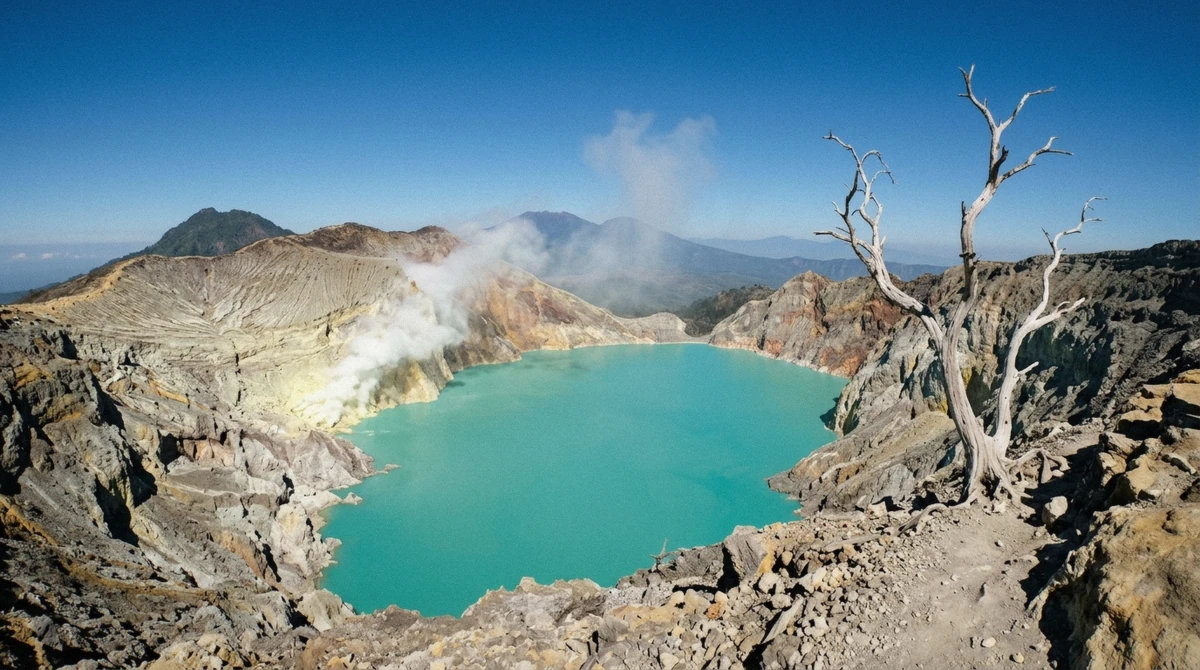
Quick answer
April through October is the reliable stretch for an Ijen trek: the dry season keeps pre-dawn skies clear enough for the blue fire and the descent trail firm rather than slick with mud. June and September are the crowd-light sweet spot inside that stretch. July and August carry the heaviest queues at the 2:00 am gate, and November through March brings cloud, mud and late openings that turn blue-fire odds and trail conditions into a coin flip.
Key takeaways
- April through October is the dry-season window: clear pre-dawn skies and a firm trail down to the flames
- June and September trade a little heat for a much shorter line at the gate
- November through March turns the sandy descent into a slide and regularly pushes the gate opening back, and the blue-fire odds drop with it
- Cloud and wind hide the flames more often than rain does, which is the real reason the dry season's clear nights win out
- Gates open at 2:00 am and the flames burn brightest between 2 and 4 am; arrive by 3 am and you still make the 5:00 to 5:30 sunrise
- July and August carry the heaviest queues; QimQim's 5.0-rated sunrise trek still runs nightly through peak season
Mount Ijen Tours That Run Year-Round
Prices read from the listings in August 2026; all three of these run through every season below, so the month matters more than the operator you pick.
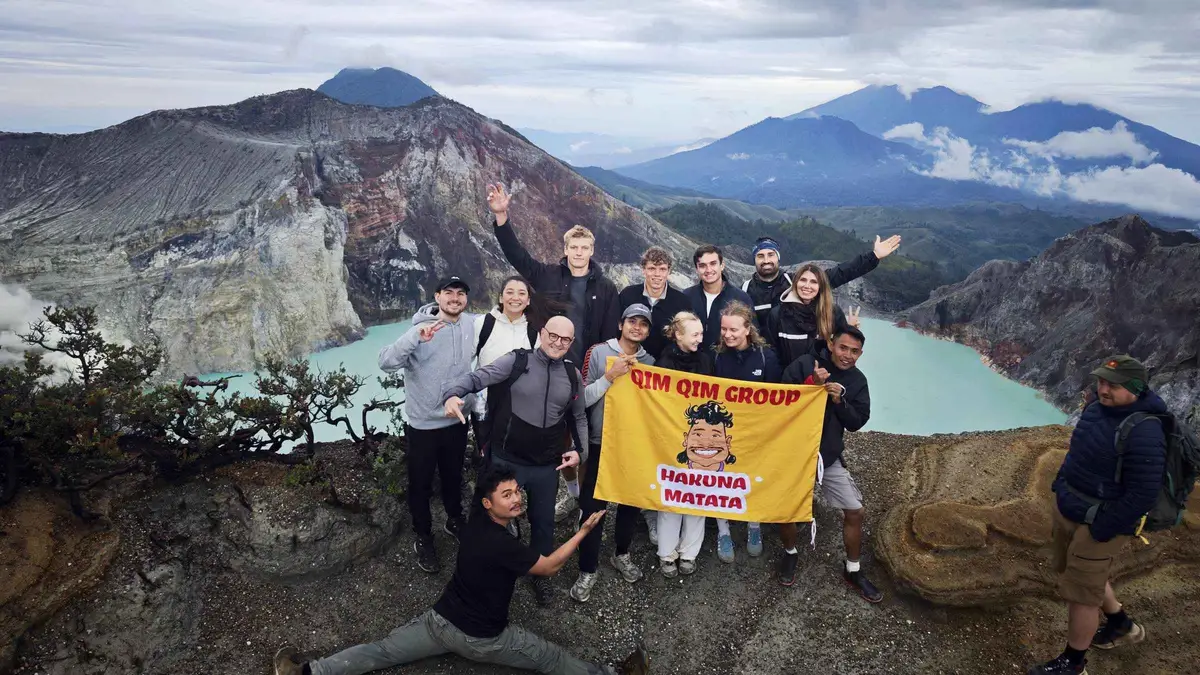 from $12.80#1 Seller
 Ijen Volcano Sunrise Tour with Pickup & Professional Guide
Listing details checked 2026-08-06
The best-reviewed Mount Ijen tour on GetYourGuide: 1,863 reviews at 5.0, run by local guide Haqim (QimQim) with fast-track entry and a coffee break at the sunrise viewpoint.
Check Availability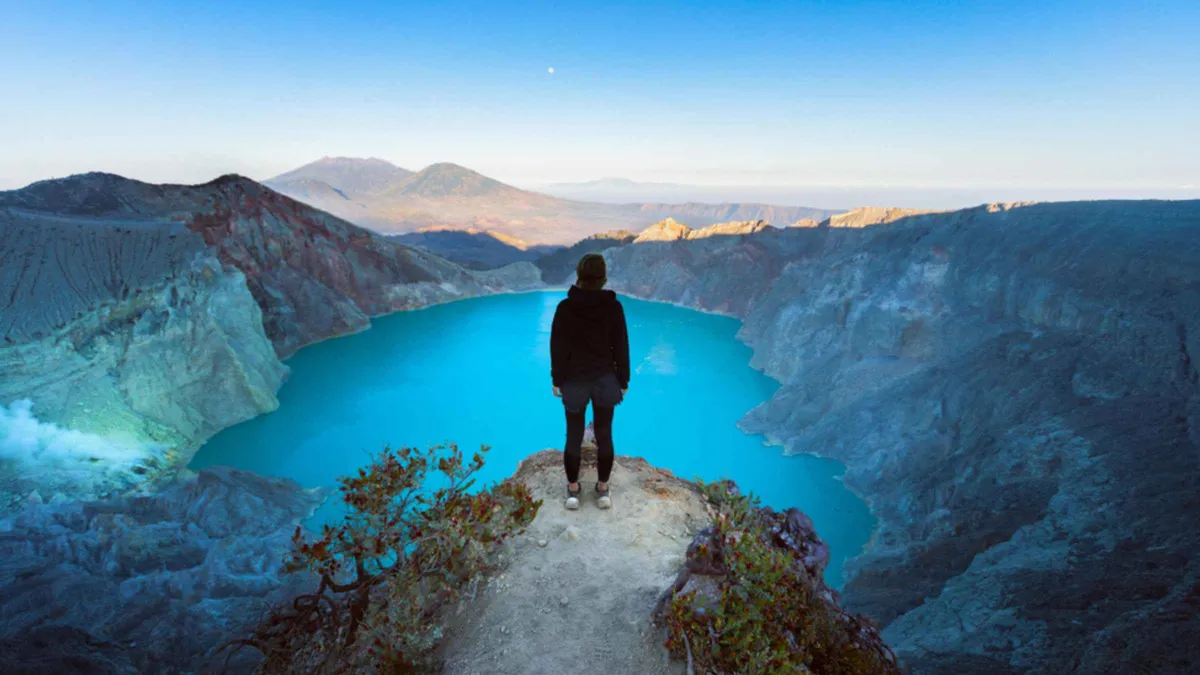 from $106Top Rated From Bali
 From Bali: Ijen Volcano Sunrise Hike with Transfer & All Fee
Listing details checked 2026-08-06
Small-group overnight run from Bali rated 4.9 from 226 reviews: ferry at Gilimanuk, trek at 2 am, back at your Bali hotel by late afternoon.
Check Availability from $173.031,076 Reviews
 Surabaya or Malang: Tumpak Sewu Bromo & Ijen 3-Day Trip
Listing details checked 2026-08-06
The most-reviewed combo on this page: Tumpak Sewu, Bromo and Ijen in three days with breakfasts and an MPV or van sized to the group.
Check AvailabilitySeasons at a Glance
How to read the Verdict column
The Verdict column is the short version. Weather and crowds move together for most of the year, but blue-fire odds follow cloud cover more than either of them, which is why a busy month and a quiet month can still land on similar odds.
| Season | Weather | Blue-fire odds | Crowds | Verdict |
|---|---|---|---|---|
| Dry season (April to October) | Clear nights, little rain | Good on most clear nights | Moderate to heavy | Best overall window |
| Peak (July to August) | Driest, clearest skies | Good, shared with the most hikers | Heaviest of the year | Reliable, but a queue at the gate |
| Shoulder (May, June, September) | Dry, cooler pre-dawn air | Good, same clear-sky odds as peak | Lighter, fewer headlamps | The sweet spot |
| Wet season (November to March) | Cloud, sporadic heavy rain | Lower; cloud hides flames more than rain does | Lightest of the year | Honest downgrade |
What the table doesn't show
None of these months rule out the flames entirely, and none of them guarantee a wall-of-fire night. What changes month to month is how often the sky cooperates, not whether the mine still burns. A clear night in December beats a cloudy night in August every time.
Dry Season (April to October): The Reliable Window
The default answer, and why
April through October is dry season on this side of East Java, and it is the stretch every operator builds their schedule around. Rain is occasional rather than routine, the sandy switchbacks on the descent stay packed rather than loose, and the sky over the crater is clear often enough that a night hike is worth planning around a specific date rather than just hoping.
Pricing does not move with the season. Whether you book in April or August, tours like tour-9's small-group run from Bali hold the same rate; the difference is entirely in how many headlamps you share the trail with, and how firm the ground feels under your boots on the way down.
Peak (July to August): Heaviest Crowds
The trade-off nobody mentions in the brochures
July and August are the driest, clearest weeks of the year, and also the busiest. Indonesian and international school holidays overlap with the best weather, so the shared cars up from Banyuwangi fill early and the queue at the 2:00 am gate can stretch well before the first group even starts walking.
The upside is real: clear skies mean the blue-fire odds are as good as they get anywhere in the calendar. The downside is a rim that feels more like a trailhead at a national park than a quiet volcano, especially on the final approach where the path narrows. Anyone who books a private option, such as tour-9's small-group run, avoids the worst of the shared-car bottleneck at the pickup stage, though the trail itself is shared regardless.
Shoulder (May, June and September): The Sweet Spot
Same weather, fewer people
May, June and September sit just outside the school-holiday crush but still inside the dry season proper. Skies are just as clear as July and August in most years, the trail is just as firm, and the difference shows up entirely in the size of the queue. Travellers who move their dates by even two or three weeks out of peak season routinely describe a noticeably shorter wait at the gate and more room to stand at the rim for sunrise.
This is the window worth protecting if your schedule has any flexibility at all. There is no meaningful weather trade-off for choosing June over July, only a crowd trade-off in your favour.
Wet Season (November to March): The Honest Downgrade
What actually changes
November through March is the counter-season, and it is a genuine downgrade rather than a minor inconvenience. Rain is no longer occasional; it arrives in bursts that can be heavy enough to soak the trail for days. The sandy descent to the crater floor, firm and grippy in dry season, turns into a slide once it is wet, and guides will sometimes shorten or skip that leg entirely on the worst nights.
The park itself reacts to the weather too. After heavy rain, the gate can open late or, on the worst days, not at all, and combo trips that route through the Tumpak Sewu canyon lose that stop when the river runs high. None of this means wet season is off-limits, only that it demands a looser schedule and a lower bar for what counts as a successful night.
Pre-Dawn Rim vs Midday, By Season
Twenty degrees apart on the same mountain
The crater rim sits at roughly 2,386 metres, and the temperature swing across a single visit is bigger than most travellers expect from a tropical island.
| Season | Pre-dawn rim | Late morning |
|---|---|---|
| June to October | 0°C to 8°C | 22°C to 30°C |
| November to May | 8°C to 12°C | 22°C to 30°C |
Reading the numbers
Dry season nights run colder at the rim, sometimes touching 0°C in the hour before sunrise, while wet-season nights stay a few degrees warmer under cloud cover. Either way, the same hike ends in short sleeves by mid-morning back at the basecamp, roughly 1,850 metres lower and a different climate entirely.
What Actually Affects Conditions
It is not really about rain
Most people assume a rainy month means no blue fire and a dry month means a guaranteed show. It is closer to the opposite mechanism. The flames are visible only in darkness, and what hides them is cloud and wind rather than rain itself; a clear, still night in the wet season can outperform a windy, overcast night in the dry season.
The reason the dry season wins on average is simple: it produces far more clear nights, not that it eliminates the possibility of cloud on any given date. Wind direction plays a role too, pushing the sulfuric gas away from the trail on some nights and straight down it on others, which is part of why guides sometimes adjust the route on the fly. The miners working the crater floor also affect what you see; they occasionally damp sections of the flame to protect the sulfur they are collecting, which has nothing to do with the weather at all.
Best Time of Night
The clock that matters more than the calendar
Gates open at 2:00 am regardless of season, and that timing is designed around the flames rather than the sunrise. The blue fire is visible only in full darkness, roughly between 2 and 4 am, which is why every tour on this catalog leaves Banyuwangi at night rather than at dawn.
A 3:00 am start at the gate still leaves enough time to see the flames and make it back up for sunrise, which lands between 5:00 and 5:30 depending on the month. Arriving any later than that risks trading the flames for the walk down alone; arriving earlier mostly buys a longer wait in the queue rather than a better view.
Crowds and Prices Through the Year
The fee moves with the calendar even when the tour price doesn't
Entrance for foreign visitors runs 100,000 IDR on weekdays and jumps to 150,000 IDR on weekends and public holidays. Guided tours absorb that difference into their listed price no matter which day you go, but solo hikers arranging their own entry pay the weekend rate directly at the gate.
The mountain also closes on the first Friday of every month for maintenance, on top of any closures forced by heavy rain or volcanic activity, so a Thursday-night or Saturday-night departure needs a quick check against the calendar before booking. National holiday weeks compress the shared cars further, since local visitors travel on the same dates as tourists. Anyone weighing whether the whole trip clears the bar can read the full breakdown in our honest look at whether Ijen is worth it.
What If the Weather Turns?
Rain does not automatically cancel the night
Light rain before or after the hike rarely changes anything. Heavy rain does: the gate can open late or, on the worst nights, stay closed, and the sandy descent to the crater floor becomes a slide rather than a walk.
Every tour on this catalog carries free cancellation up to 24 hours before pickup, which is the practical answer to a forecast that looks uncertain. Book the date, watch the sky the day before, and change it if needed rather than gambling on a single night with no flexibility.
Best Window by Traveler Type
If You want the safest bet as a first-time trekker
June or September: a dry, firm trail, moderate crowds and a gate that rarely opens late
If You are chasing the best photo of the flames
May or October, the edges of the dry season, when skies are clear and the crater rim is a little less crowded than peak
If You want to avoid the weekend entrance fee
Any weekday in the dry season: entrance stays at 100,000 IDR instead of the 150,000 IDR weekend rate
If Your dates are already locked into July or August
Book the earliest departure slot you can find; the flames and sunrise still deliver, just alongside a longer queue at the gate
If You can only travel November through March
Build in a spare morning, expect a possible late opening, and treat the blue fire as a bonus rather than the whole plan
So, When Should You Go?
April through October remains the safe call, and June or September the best version of it: clear nights, a firm trail and a shorter line at the 2:00 am gate. If your dates only allow July or August, book the earliest departure available and expect company at the rim. November through March is the season to build a buffer day into your plans, not the season to skip outright, especially on combo trips that add the multi-day Bromo and Ijen route or start from across the strait on the Ijen tours from Bali.
Whatever month you land on, every Mount Ijen tour format on this catalog runs on the same dry-season calendar, so the tour you pick matters less than the month you pick it for.
Timing Questions
Is Ijen worth visiting in November?
Yes, with a caveat. The blue fire and crater lake are still there, but rain can push the gate opening back and turns the sandy descent into a slide on the worst nights. Build in a spare morning if November is your only option, and confirm the day before with the operator.
How far in advance should I book an Ijen tour?
A few days ahead in peak season, July and August, when shared cars and small-group tours fill first. In the shoulder months and wet season, booking one or two days out is usually enough, and free cancellation up to 24 hours before pickup covers most weather surprises.
What time should I arrive at the Paltuding gate?
By 2:00 am, when the gate opens. A start closer to 3:00 am still works if you want to see the flames without lingering at the crater floor, since the flames are visible only between roughly 2 and 4 am and sunrise follows at 5:00 to 5:30.
Does the mountain ever close completely?
It closes on the first Friday of every month for routine maintenance, and separately after heavy rain or any volcanic activity that raises the alert level. Neither closure is announced far in advance, which is why confirming with the operator the day before matters more than checking a calendar weeks out.
When are Ijen tour prices lowest?
Tour prices barely move with the season on this catalog; the same trek costs the same in January and in August. What changes is availability and crowd size, so booking in the shoulder months buys a quieter trail rather than a cheaper one.
Is the rainy season dangerous for the hike?
It raises the risk without ruling out the trek. The main hazards are a slicker descent and a possible late start; guides shorten or skip the crater-floor section on the worst nights rather than push through unsafe footing.
How many nights should I plan around my visit for a good chance of clear skies?
One extra night in Banyuwangi during the dry season is a reasonable buffer, since a single cloudy night rarely repeats itself two nights running. In wet season, a two- or three-day window gives you a realistic shot at at least one clear departure.
Is Ijen a difficult hike in the wet season?
The hike itself stays the same 3.5 km with 600 m of gain, moderate in any month, but the wet season changes the footing: the sandy track turns slick on the way down and the park opens late after heavy rain. A difficult hike in November is the same trail that felt straightforward in July. Grip shoes and trekking poles cover most of the difference; the rest is accepting a slower descent.
Reviews from every month tell roughly the same story: the travellers who leave happiest picked a date inside the dry season and still built in a spare morning, rather than betting the whole trip on one specific night.